

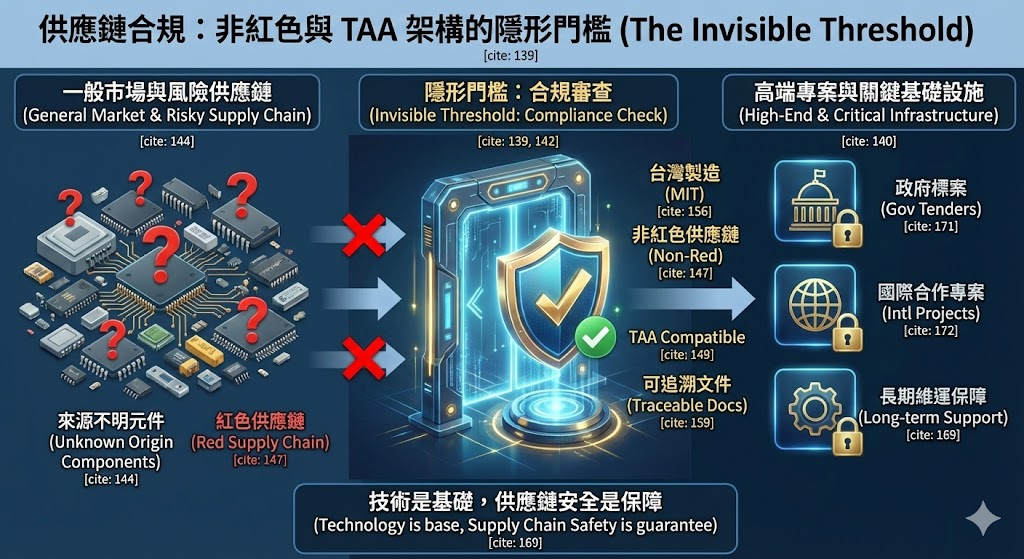
In the fiber optic module and drone transmission equipment market, product performance is no longer the sole decision factor.
For clients involved in government tenders, critical infrastructure projects, or international programs, supply chain transparency and compliance have become essential evaluation criteria.
Why Supply Chain Origin Has Become a Core Issue
In recent years, global project markets have strengthened scrutiny of supply sources, including:
- Final assembly location
- Origin of key components
- Chipsets and optical transceiver sources
- Traceability documentation
Within this context, a Non-PRC supply chain is no longer a marketing slogan.
It is a practical factor that directly impacts bidding eligibility and long-term partnership viability.
The Significance of TAA Compatibility
A TAA (Trade Agreements Act) Compatible architecture indicates that a product’s manufacturing origin complies with specific country and regional requirements under U.S. federal procurement regulations.
In practice, TAA Compatible is not a single certification. It generally implies:
- Manufacturing location complies with TAA-designated countries
- Core production processes meet regulatory requirements
- Country-of-origin documentation can be provided upon request
This is particularly critical in international government projects.
Technical and Strategic Advantages of Taiwan Manufacturing
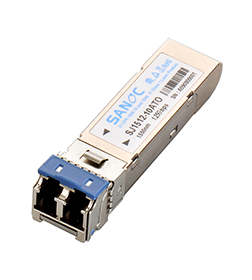
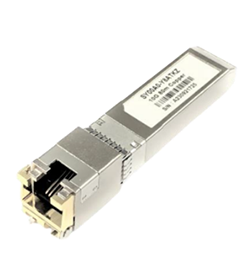
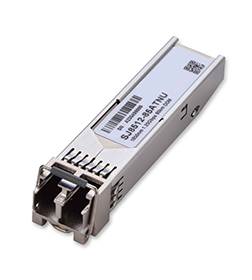
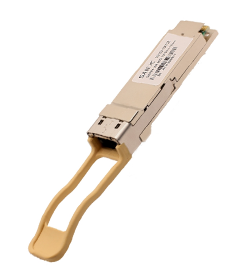
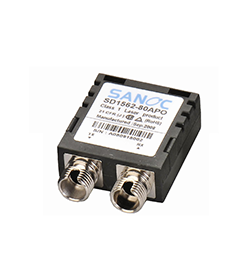
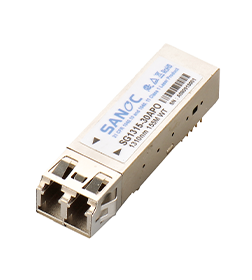
This fiber optic transmission module is manufactured in Taiwan, offering:
- Stable supply capability
- A mature and globally competitive optical communications industry foundation
- Traceable production process management
- ESG-aligned manufacturing standards
In high-end markets, long-term supply stability and manufacturing reliability are often more important than short-term price competition.
How Supply Chain Security Impacts Technical Collaboration
In fiber-guided or high-interference transmission architectures, technical collaboration often involves long-term system integration and maintenance.
A non-transparent supply chain may result in:
- Spare parts supply disruptions
- Constraints on project scalability
- Complications in cross-border cooperation
Therefore, selecting a Non-PRC supply chain and TAA Compatible architecture at the early project stage is part of proactive risk management.
Conclusion
Technical capability forms the foundation of project success.
Supply chain security ensures project sustainability.
If you are evaluating:
- Transmission equipment for government tenders
- International cooperative programs
- Supply chain compliance requirements
We can provide the necessary documentation and architectural explanations to support your project evaluation process.
We welcome collaboration discussions regarding fiber-based transmission solutions and project-specific requirements.

