
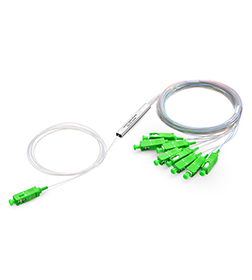
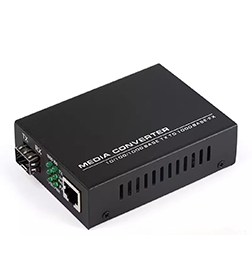
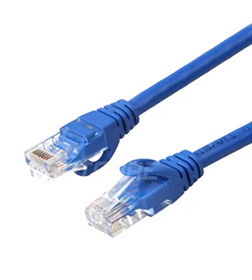
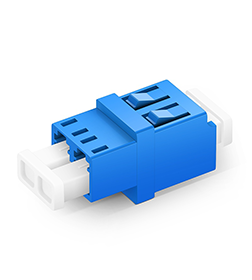

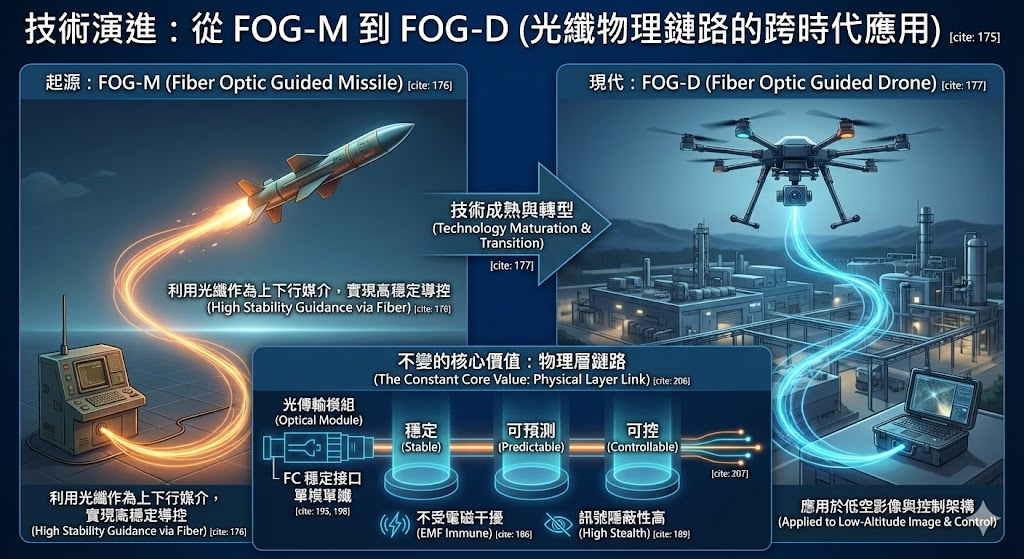
The concept of fiber optic guidance is not new. Early FOG-M (Fiber Optic Guided Missile) systems utilized fiber optic links as the medium for uplink and downlink signal transmission, enabling highly stable guidance and control.
With the maturation of drone technology, fiber optic links have been reintroduced into low-altitude UAV video and control architectures, forming what is now referred to as the FOG-D (Fiber Optic Guided Drone) concept.
Limitations of Traditional Wireless Architectures
Wireless transmission systems rely on:
- Spectrum resources
- RF transmission power
- Anti-jamming algorithms
In low-interference environments, these systems perform effectively. However, in scenarios involving strong electromagnetic suppression or spectrum congestion, transmission stability degrades significantly.
Advantages of Physical Fiber Optic Links
Fiber optic architectures offer several inherent advantages:
- Immunity to electromagnetic interference (EMI)
- High bandwidth capability
- Low attenuation over long distances
- High signal confidentiality
In single-mode fiber architectures, optical signals propagate in a single mode, reducing dispersion and minimizing signal attenuation.
Positioning of the Optical Module Within the System
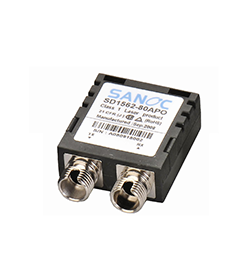
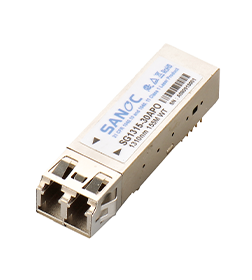
This optical transmission module is not a complete FOG-D system. Rather, it serves as:
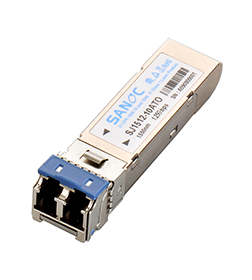
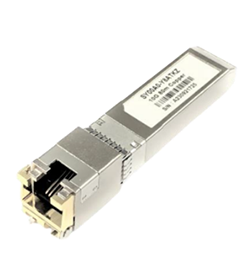
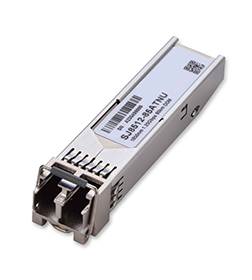
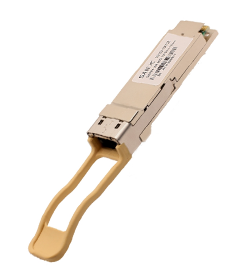
A core transmission unit applicable within fiber-guided architectures.
Key characteristics include:
- Single-mode single-fiber design
- 100 Mbps transmission rate
- Industrial-grade operating temperature range
- Stable FC connector interface
Such modules provide the physical-layer foundation for video and control signal transmission.
Technical Boundaries and Application Considerations
It is important to note:
- Transmission distance depends on fiber quality and overall system architecture
- Video format must align with available bandwidth
- Fiber management must be integrated into flight strategy planning
Fiber optic architectures are not suitable for every scenario. Instead, they provide a stable alternative in high-interference environments.
From missile guidance to drone transmission systems, the core value of fiber optic links remains consistent:
Stability, predictability, and controllability.
If you are exploring fiber optic guided drone architectures or anti-interference video transmission solutions, we welcome technical discussion regarding your application requirements and system considerations.
We welcome collaboration discussions regarding fiber-based transmission solutions and project-specific requirements.

